Turn your story
into a manga.
Paste a paragraph, a chapter, or a half-baked “what if.” MangaFlow reads your story, casts the characters, designs the panels, and draws every page — in the style of your choice. No software to learn. No pen required.
One story in →
one whole manga out.
No panel-by-panel prompting. No art skills required. No new software to learn. Paste what you've got, pick a style, and get a finished book.
How it works
Five steps. One finished manga.
Scroll through the whole pipeline. MangaFlow walks every story through the same five stages — and you can jump in at any of them if you want more control.
Kenta sat at the back of the classroom, invisible as always. The bell rang. Nobody looked up. Nobody ever looked up. He walked home the long way, past the dusty attic of his grandfather's house — and that's where he found it. A glowing watch, ticking backwards.
A full script is great. A scene, a dream, a "what if I lived in" idea? Also fine. MangaFlow reads your text, picks out the characters, and figures out the pacing on its own — so you don't have to.
- 1.1Your text is analyzed for setting, tone, and genre
- 1.2Characters are extracted and tagged by role
- 1.3Scenes are split and paced across pages
- 1.4Genre cues picked (shōnen? horror? slice-of-life?)
- …You approve everything before we draw a thing.
Character consistency is the thing AI tools usually get wrong. We don't. Every cast member gets a reference sheet — appearance, expressions, outfit, little quirks — and those sheets lock them in across the whole book.
- 2.1Physical attributes pulled from your description
- 2.2Full expression range generated (calm, angry, in awe…)
- 2.3Multi-angle reference sheets locked
- 2.4Outfit, props, and signature details catalogued
- …Tweak the look until it feels like yours.
Every panel gets a camera angle, a framing, and a reason for being there. Two action panels in a row? Different angles, always. A quiet moment? Wider, breathier. The rhythm of a good manga, handled.
- 3.1A layout template is picked per page (10+ options)
- 3.2Camera angle and distance set per panel
- 3.3Character positions and expressions mapped
- 3.4Props placed as visual storytelling beats
- …Swap layouts with a click if you don't love it.
Every panel is rendered with the full art-direction package — screen tones, speed lines, sound effects, the works. Black-and-white shōnen or full-color manhwa, the style you chose holds across all your pages.
- 4.1Panels rendered with cinematographic specs
- 4.2Character consistency enforced from reference sheets
- 4.3Screen tones and manga effects layered in
- 4.4Speed lines and impact frames placed
- …2048×2048 per panel — big enough to print.
Adjust bubbles, tweak expressions, swap SFX text — then export how you want. Print-ready PDF, a PNG sequence for the gram, or vertical webtoon scroll for mobile. No watermarks. No catch.
- 5.1Inpainting lets you tweak specific panels
- 5.2Dialogue and SFX are editable inline
- 5.3Choose bubble style and typography
- 5.4Export: PDF, PNG sequence, or webtoon scroll
- …Full rights. Your story, your file.
Why it works
Built for people who can't draw (yet).
You don't need a degree, a tablet, or a Patreon. Just a story and a little curiosity.
Words, not prompts
Write like you're telling a friend. No prompt-engineering, no magic keywords. The tool figures out what your story needs.
Characters that stay
Your protagonist looks like your protagonist — on page 1, page 40, and every panel in between. Reference sheets do the heavy lifting.
Cinematography, free
Camera angles, framing, rhythm — handled. Close-ups land where they should. Wide shots breathe where they should.
Yours to take
Print-ready PDF, clean PNG sequence, or vertical webtoon scroll. No watermarks. Full rights to your pages.
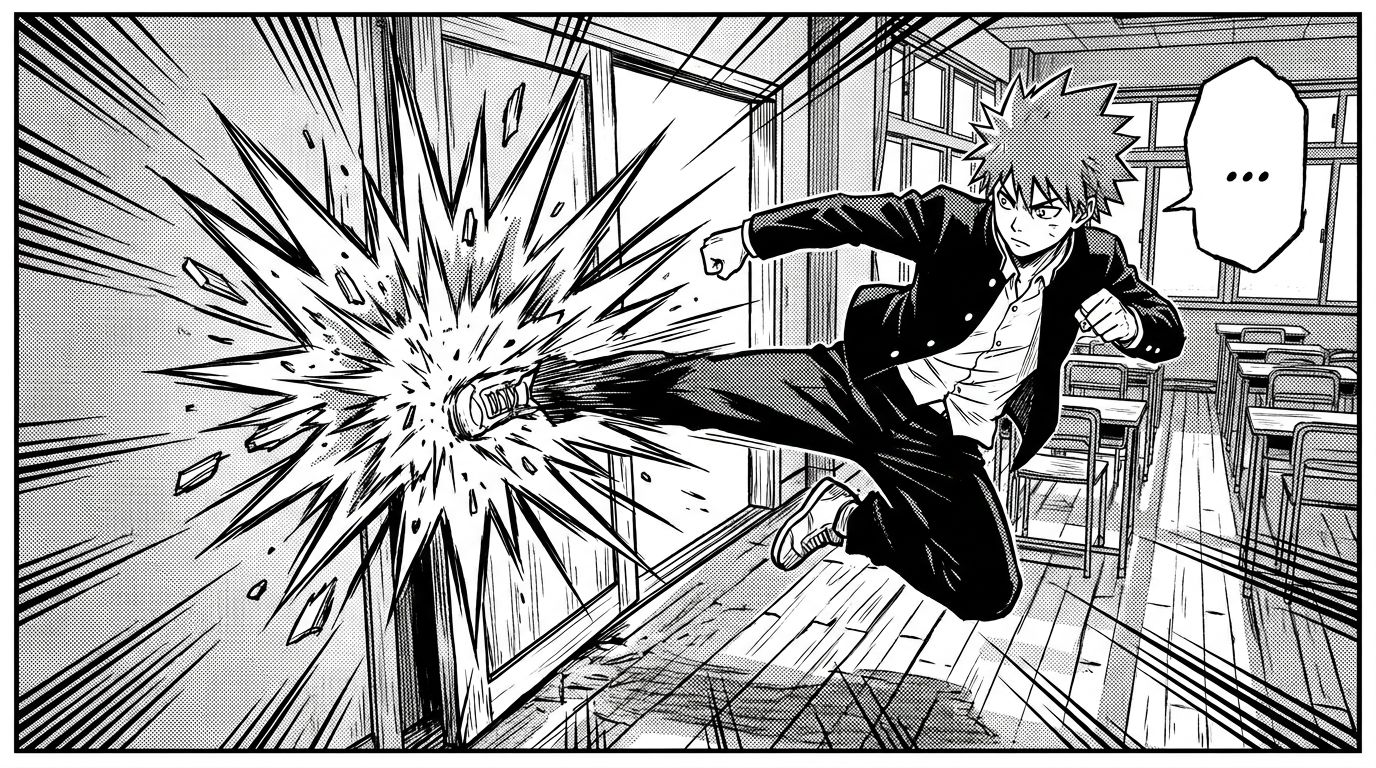
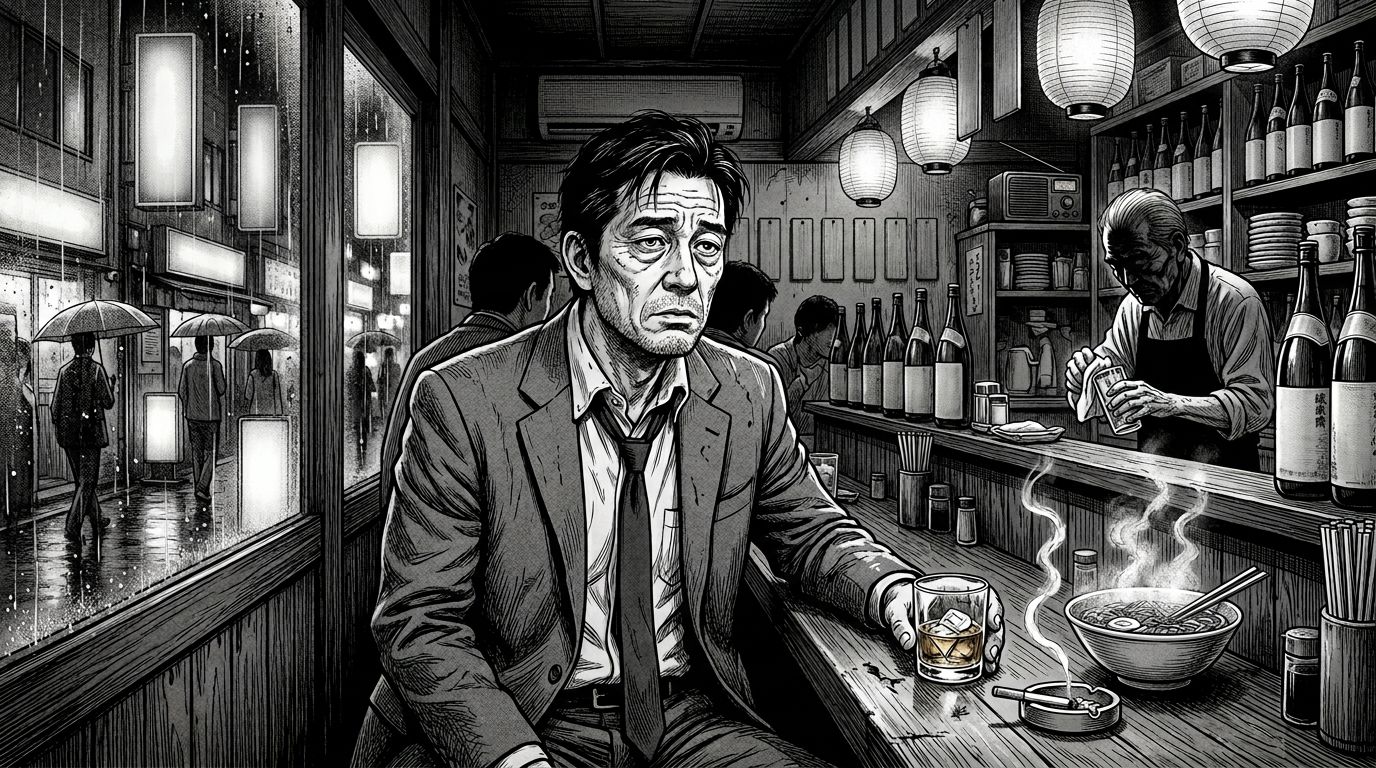
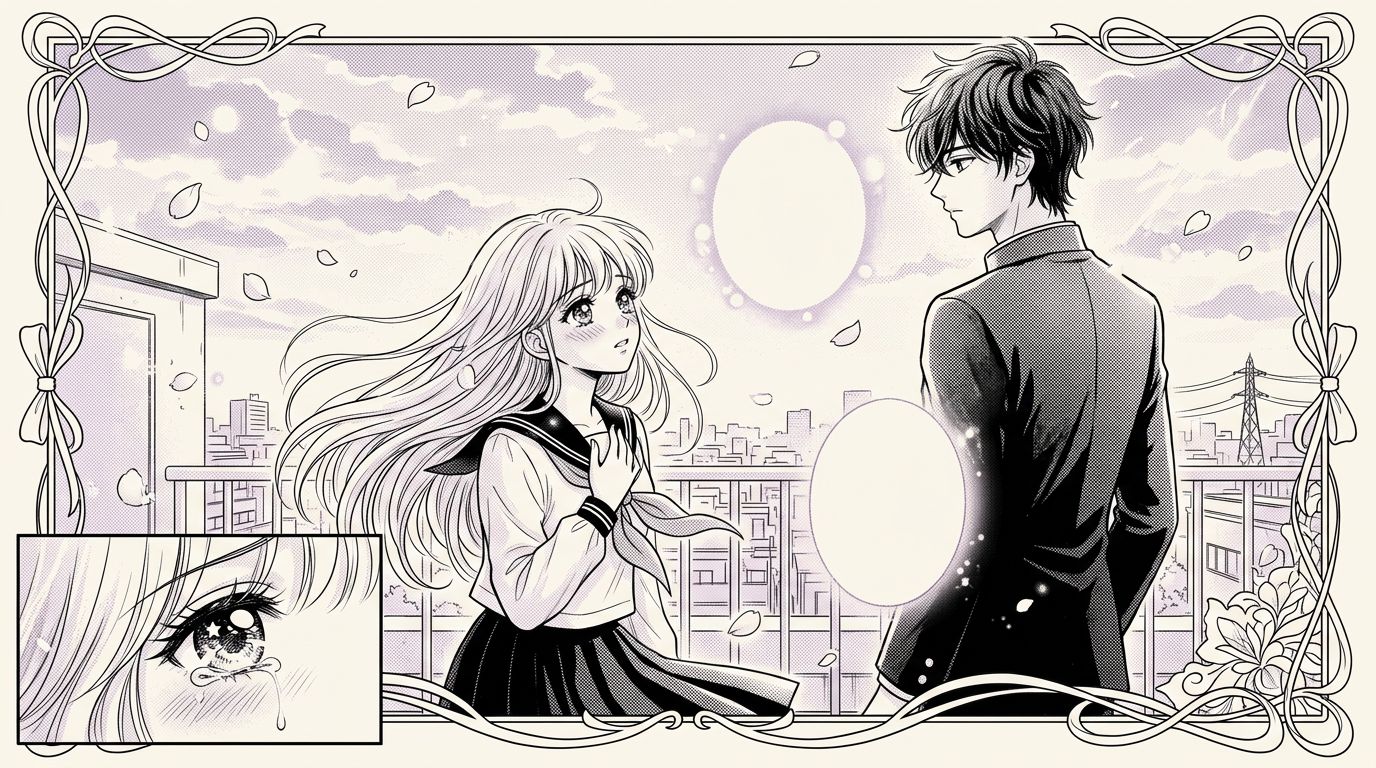
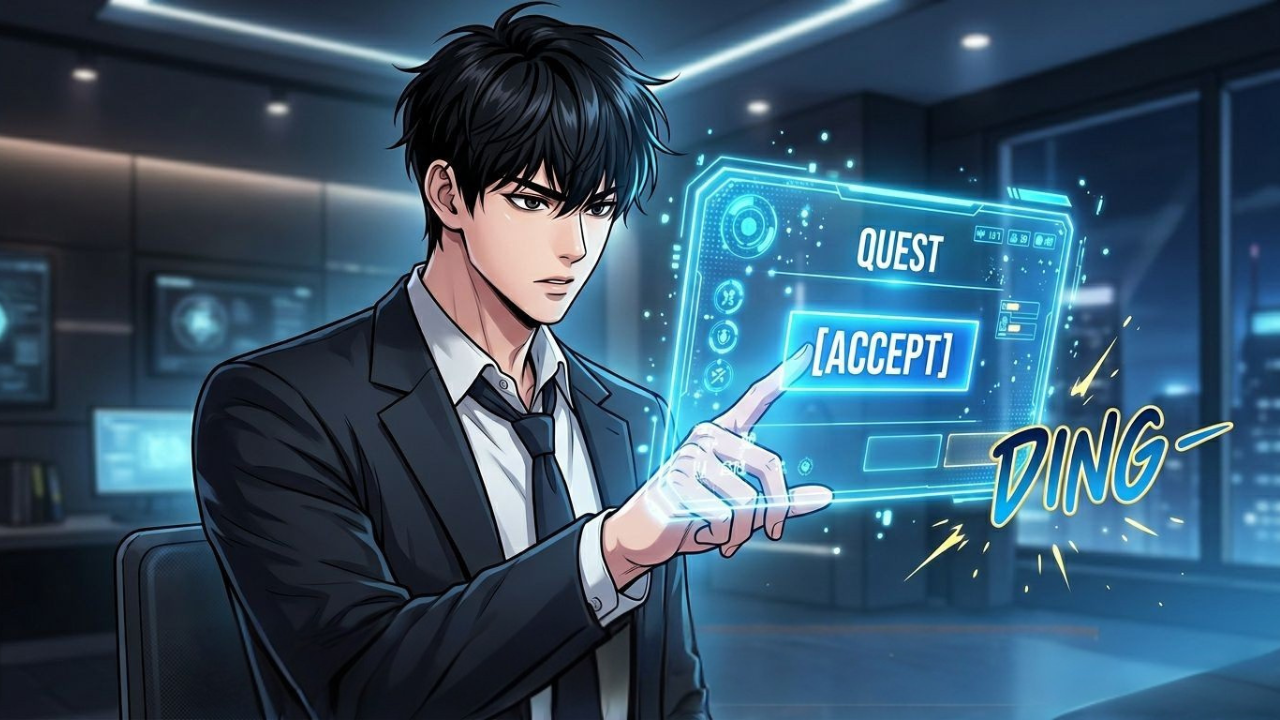
Pick a vibe
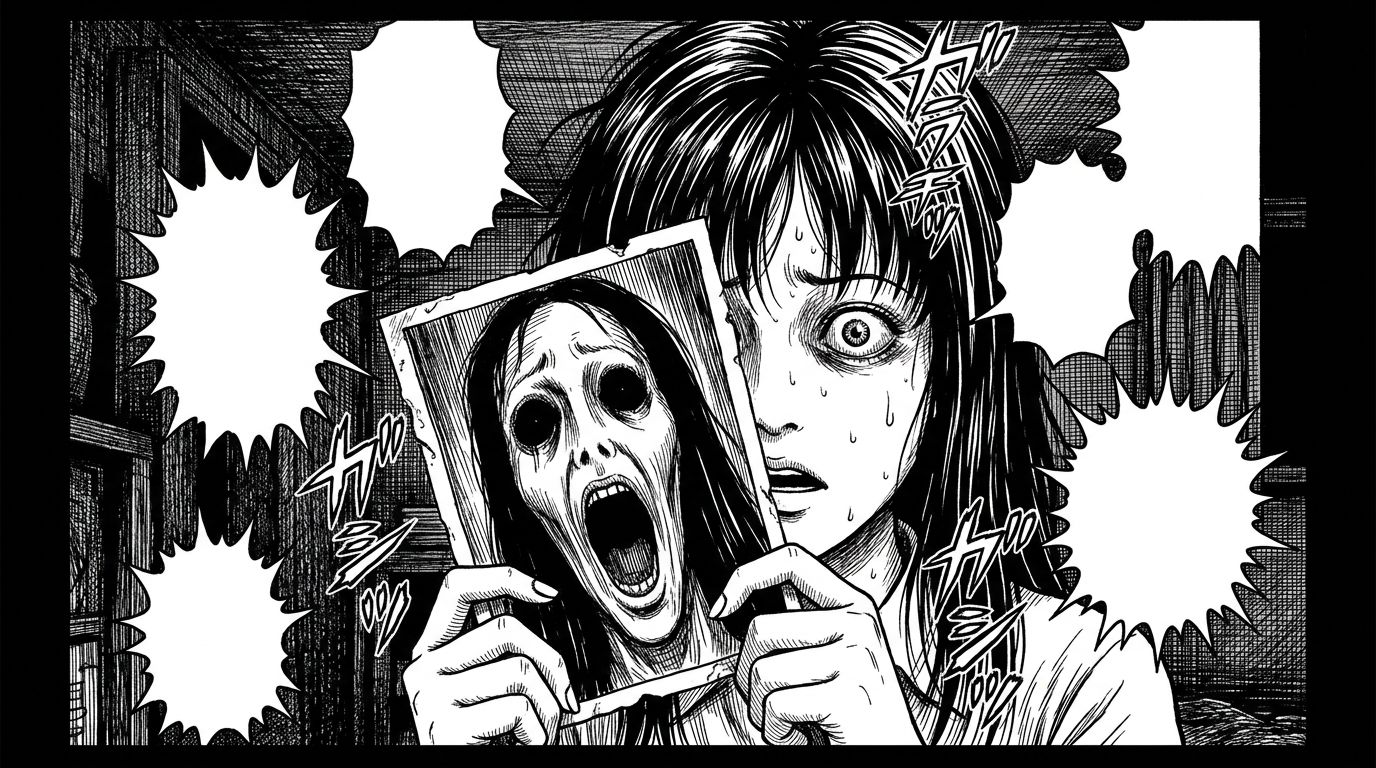
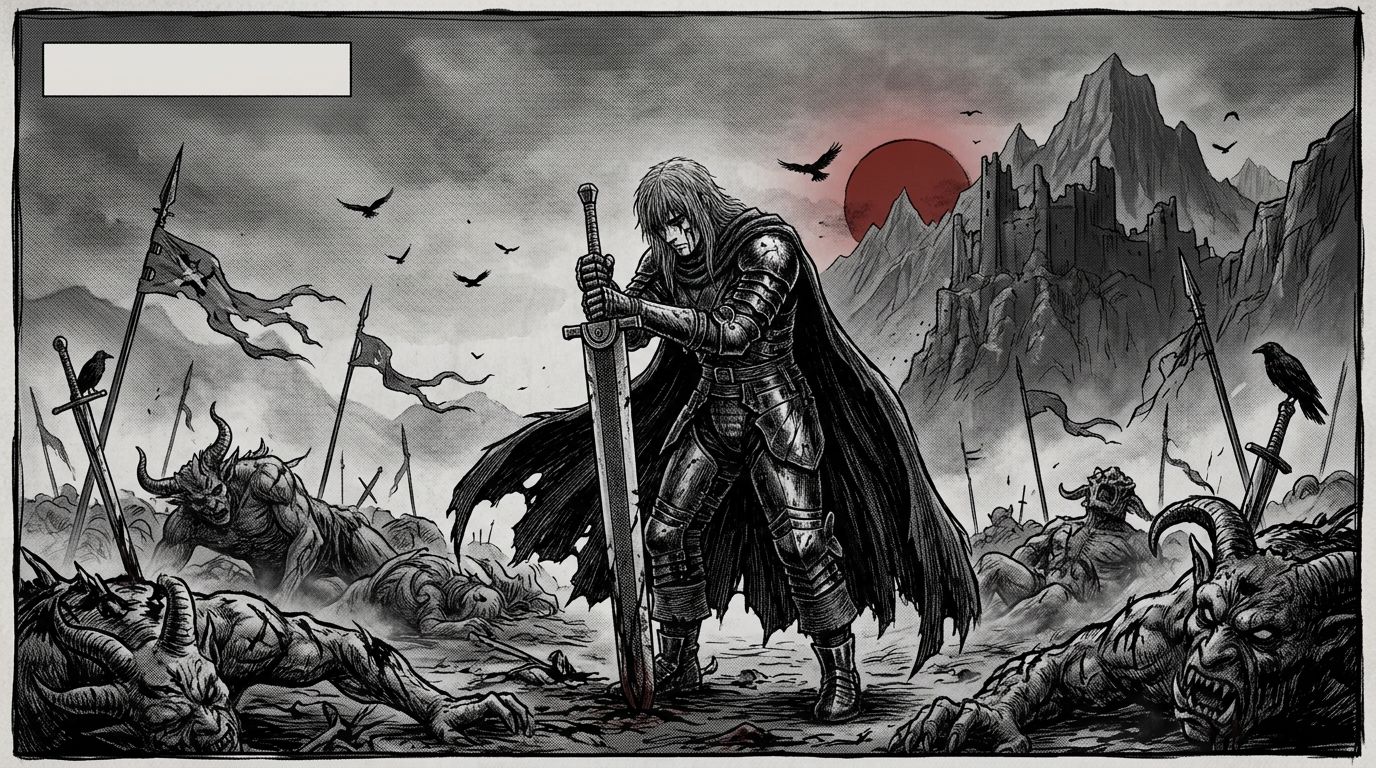
Six styles. Choose the mood.
From bold and action-packed to quiet and atmospheric. Each style is tuned to the conventions of its genre — panel rhythm, line weight, screen-tone density, the works.
More styles are in progress and coming soon.
From the people making them
Hobbyists, writers, and people who never thought they could.
Early-access testers have been turning their stories into pages. Here's what they've said so far.
Clean manga/manhwa-style pages, consistent characters. A useful tool for manga/manhwa recap users who want quick visuals without struggling with prompts or scene matching.

I wrote a short story for my sister's birthday and turned it into 6 pages. She framed the PDF. I cried a little.


I can't draw to save my life. Now I've got a 12-page fight scene that looks like I actually made it. Unreal.

Used it to pitch a story idea to my group chat. Everyone was in by page 3. Absolutely wild.

Made a manga out of my D&D campaign backstory for the group. My DM straight-up lost it.

The character consistency is bananas. Same face across 30 panels. No weird drift.

Clean manga/manhwa-style pages, consistent characters. A useful tool for manga/manhwa recap users who want quick visuals without struggling with prompts or scene matching.
I wrote a short story for my sister's birthday and turned it into 6 pages. She framed the PDF. I cried a little.
I can't draw to save my life. Now I've got a 12-page fight scene that looks like I actually made it. Unreal.
Used it to pitch a story idea to my group chat. Everyone was in by page 3. Absolutely wild.
Made a manga out of my D&D campaign backstory for the group. My DM straight-up lost it.
The character consistency is bananas. Same face across 30 panels. No weird drift.
Great for manga/manhwa recap users. It turns a simple story idea into clear visual pages, keeps the characters consistent, and makes the whole recap feel more polished and ready to post.
Honestly? I thought AI manga would look trash. This didn't. The panels actually have rhythm.
I finished a 20-page doujinshi in one evening. Normally that's a six-month project I never finish.
Speed lines, screen tones, SFX — they're placed like someone actually reads manga. That's the difference.
The shōjo style made me tear up. Something about a soft manga panel saying your own words. Strange feeling.
Low barrier, high ceiling. Beginners can one-shot a page. I'm pushing 40-page chapters.
Great for manga/manhwa recap users. It turns a simple story idea into clear visual pages, keeps the characters consistent, and makes the whole recap feel more polished and ready to post.
Honestly? I thought AI manga would look trash. This didn't. The panels actually have rhythm.
I finished a 20-page doujinshi in one evening. Normally that's a six-month project I never finish.
Speed lines, screen tones, SFX — they're placed like someone actually reads manga. That's the difference.
The shōjo style made me tear up. Something about a soft manga panel saying your own words. Strange feeling.
Low barrier, high ceiling. Beginners can one-shot a page. I'm pushing 40-page chapters.
Pricing
Make as much manga as your story can hold.
Cancel or pause anytime. Pages are yours forever. No watermarks.
Great for first projects and one-shot stories.
Starter
Make your first manga, end-to-end. Perfect for a single short story or gift.
Billed monthly
Subscribe →- All 6 art styles, color & B&W
- Character consistency built-in
- Smart panel layouts
- Full commercial rights, no watermarks
- High-resolution exports
- PDF, PNG & webtoon export
- Email support
For writers and indie creators serializing work.
Creator
Your sweet spot. Enough credits to finish a real chapter every week.
Billed monthly
Subscribe →- Everything in Starter, Plus
- $0.10 per credit
- Reuse characters across projects
- Cover image generation included
- Faster generation queue
- Priority email support (24h)
For serious volume — weekly chapters, full books, multiple projects.
Pro
For creators publishing weekly, or running multiple manga projects in parallel.
Billed monthly
Subscribe →- Everything in Creator, Plus
- $0.098 per credit
- Unlimited projects & characters
- Early access to new art styles
- Priority generation queue (front of line)
- Priority support (12h response)
For full-time creators, daily uploaders, and multi-series projects.
Studio
Top tier. For weekly publishers and creators who don't slow down between chapters.
Billed monthly
Subscribe →- Everything in Pro, Plus
- $0.092 per credit
- Top-priority queue (front of front of line)
- Early access to experimental features
- Dedicated account manager
Pay as you go
Just making one?
No subscription. Pay once. Perfect for custom manga gifts, one-shots, and “I just want to try the full thing.”
Need more credits? Email us at contact@mangaflow.studio for a custom plan.
How credits work
Simple math. No surprises.
Every action uses credits. Story analysis and character setup are one-time costs — pages are the recurring spend.
Story analysis
Reads your text, picks the cast, paces the scenes (once per story)
Character reference sheet
Locks a character's look across every panel (once per character)
Layout planning
Designs panel structure and camera angles (per page)
Manga page rendering
Full rendered page in your chosen style (per page)
Cover image
Standalone cover, no panels (optional)
Common questions
The stuff people usually ask first.
Your story wants to be
a manga.
Free credits to start. Your first page in about five minutes. Keep it in your drafts, post it to your group chat, print it for your bookshelf — whatever you want.